

It: Welcome to Derry returns audiences to Stephen King’s most haunted town—exploring the origins of Pennywise with heart-pounding horror and gripping storytelling.
If you are a fan of horror and you are still recovering from the terrifying streets of Derry, Maine as bathed in horror in It (2017 film) and It: Chapter Two, you may want to reconsider taking a slower pace of life, because the prequel series of It: Welcome to Derry will take you deeper into that town drenched in horror than ever before. In this review, I will explain what works, what wobbles, and why this creepy peep back in time may be indispensable viewing for horror fans as well as anyone who loves King.
The Return to Derry
The original novel by Stephen King (and subsequent films) provided a horrifying town, a shape-shifting monster, and multiple levels of childhood trauma that rise into adulthood. The action in It: Welcome to Derry does not take place in the 1980s (as many of the adaptations have), but in 1962, which is the year of the origin of Derry’s curse.
What does that mean?
Historical layering: The year 1962 holds significance as more than a backdrop for the series. The series incorporates real-world anxieties to anchor the horrors of the supernatural.
Legend building: Instead of retelling the same story, this prequel looks only at the interlude chapters of King’s novel, focusing on events like the burning of the Black Spot and the earlier iterations of the monster.
Cinematic heritage: Given the involvement of creators such as Andy Muschietti and the return of Bill Skarsgard’s Pennywise character, it is clear that the project was conceived with a clear respect for the source material.
From the perspective of an expert, it is not merely a visit to a haunted town, but a visit to the roots of that haunting, which provides the series with a fresh perspective on something we thought we already knew.
Plot & Structure
Here is a breakdown of how the series sets up its plot:
Timeline & Setting
The action takes place in 1962, roughly 27 years earlier than the action of the 2017 film.
Derry – a small New England town with a myriad of secrets, social fissures, and some dark entity beneath the surface.
Main Story Threads
A family moving to Derry – we see them grappling with the strange environment of the town, missing children, and signs of nefarious intentions.
The earliest manifestations of the monster – we see horrors that lead to the giant “It scenes of the films.
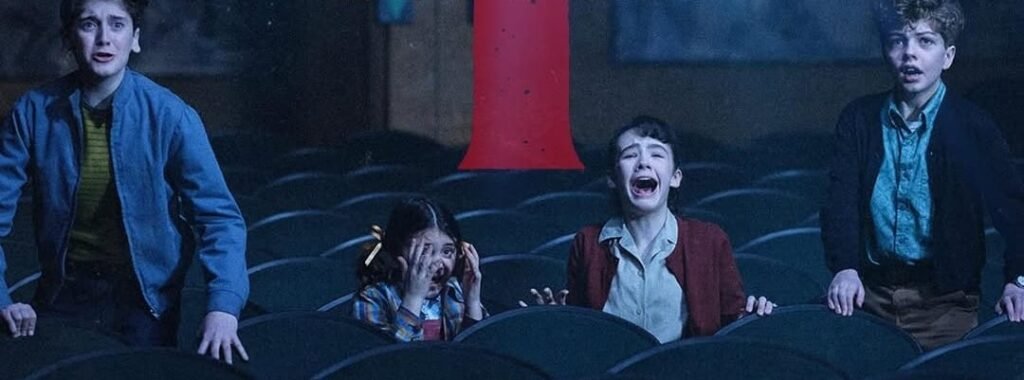
One initial scene allegedly features a movie theater, a hitch in a ride gone awry, and a bat-like babe insect-like horror.
Social commentary woven in: racism, segregation, and Cold War paranoia: provide context for the supernatural horrors and elevate them beyond jump scares.
Episode structure
First season: 9 episodes.
Weekly drops (in the U.S.) on HBO Max and HBO.
A tone that balances the surreal and grotesque with period specificity: set design and music. And it’s outrageously creepy rather than campy.
What Works — Highpoints
These are the aspects of It: Welcome to Derry that are most exceptional, in my expert opinion.
Horror with teeth
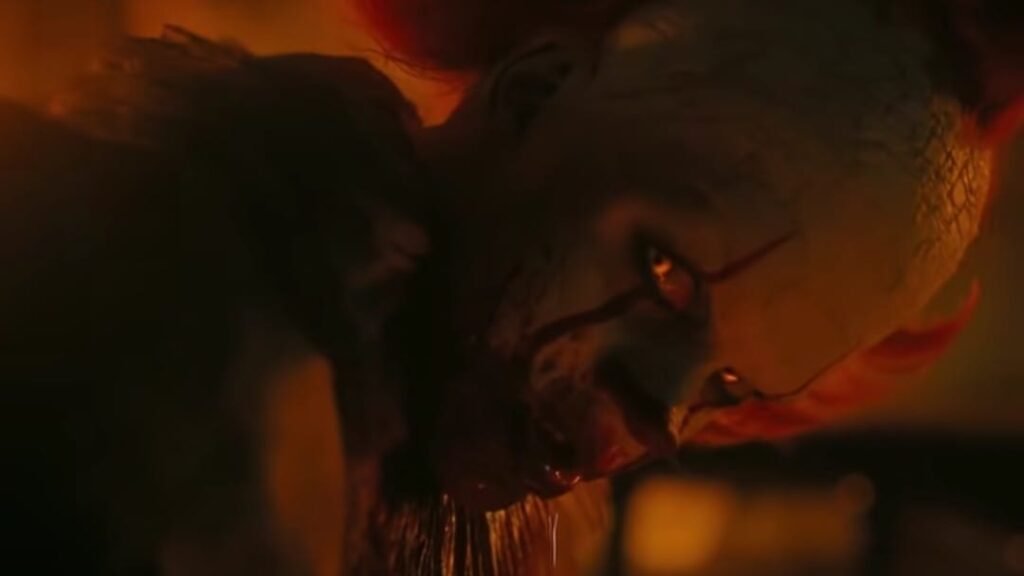
This is not polite horror. Many of the scenes are legitimately disturbing and gruesome—a 10-minute excerpt shown at Comic-Con included some shocking imagery.
For fans of the original films who complained about “no real gore,” specifically in the sewer scene in Episode 1, this prequel goes all-in.
Interesting myth-making
The story is about more than the clown and the sewers: The show tackles the townspeople and the mechanics of evil and fear when society allows ideology or darkness to be normalized and hidden in plain sight. As the reviewer remarked, it is “ground zero for the fear” as the audience roots for the stories of its character inhabitants, and the perspective shifts.
For instance, the concept of the fire disease, the missing children, and other contextualized buried histories add to the fullness of the monster’s character.
Time and social context
Placing a horror narrative in 1962 means the complexities of the real world mirror the predatory choices of the monster. This tension and contradiction raise the series to another level, horror as metaphor and threat.
H3: Hustle production values & characters
Having Muschietti direct episodes, strong design sensibilities, and most importantly, Skarsgård reprising his role as Pennywise makes it more horror than bad horror. And critics said adult cast members were intuitive or particularly strong.
What doesn’t work as well?
Even the best shows have flaws, and here are some of mine:
Overstuffed narrative
Some reviewers noted that this series wants to wrap up and answer everything or question, which sometimes leads to being overstuffed and doesn’t maintain the suspense and mystery.
For example, once you have kids missing, a new family, church history claimed to be contextualized, etc., the story can feel overstuffed because things come together and eventually feel distracted.
Uneven arcs for the child character
The adult characters lend themselves to depth and dimension, some of the child characters at different moments are deemed, if you will, less charming, less one-dimensional compared even to the iconic children in traditional film horror and even some expansion horror.
Horror with kids can be tricky to balance, and sometimes it didn’t land based on carefully selected shooting or aspirations.
Fan-service versus fresh story
If you are a die-hard King fan, you may find certain moments to be overly safe or full of Easter eggs rather than new and daring.
This indicates that reactions are mixed among the purists.
The Importance of This Prequel
From an academic perspective, It: Welcome to Derry is important for several reasons:
Expanding the King universe: This is not just a film about Pennywise, or a monster, is only one-legged leg of evil embedded in a rich foundation of evil in the town. This expands King’s dimensional storytelling beyond a singular character.
Thickened fear: By embedding the horror in the socio-political climate of the 1960s, the series imbues it with texture to remind us that the real-world fear lends depth to the supernatural fear.
The prequel spinoff that is done correctly: Instead of recasting beats that feel familiar, this prequel looks to expand and explain—while still being terrifying.
The next phase in streaming horror: Big-budget, broody horror shows are not becoming the norm for streaming, and it has set the bar high.
All of this collaboration describes what one might imagine resonates with fans of horror, but also just cadences. It: Welcome to Derry is an ambitious prequel—dark and horrifying addictively complements the mythos of Derry and Pennywise.
FAQs
Do I have to have seen It in 2017 and 2019 before I can understand this series?
No, but it can be useful. The prequel is designed to be its own piece, but you’ll appreciate the story of Derry and Pennywise’s role even further if you’ve seen the films.
Does Pennywise show up a lot in the series?
He shows up—but not all the time. The series utilizes Pennywise as just one piece of look, scare, and terror among many, spreading out the fear to other characters, happenings in town, and symbolic occurrences.
Did they handle the historical and social issues well?
For the most part, yes. They did a pretty good job incorporating racism and the fear of the Cold War while also drawing darkness out of every small American town; however, some critics felt it could have been a little tighter, but the thought was there.
How many episodes of Season 1 are there, and when are they on?
There are nine episodes in Season 1. In the United States, Season 1 premiered on October 26, 2025 and the episodes follow in a weekly release digitally on HBO/HBO Max.