

Find out why IT Welcome to Derry is the scariest show you’ll stream this year. From Pennywise’s haunting return to the show’s dark 1960s setting, uncover how HBO’s prequel blends real-world and supernatural horror for maximum terror.
For horror enthusiasts looking for a new series that captures your imagination and will not let you go, it’s time to explore the upcoming prequel series IT Welcome to Derry. As an entertainment journalist who follows horror media, I’m going to explain why IT: Welcome to Derry could be the horror series to watch for this fall; how it’s scary, how it’s different than other horror series; and it features supernatural horror and real-world evil in ways few horror series even attempt.
What is IT Welcome to Derry?
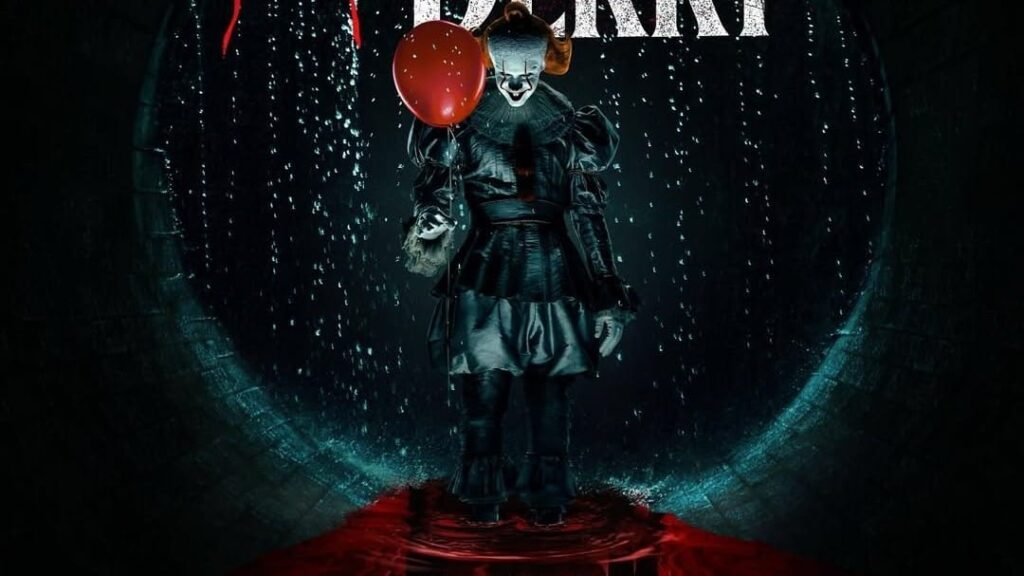
It is a prequel to the hit films It (2017 film) and It Chapter Two, both based on the novel It by Stephen King.
Set in 1962, 27 years before the events of the films, it tells the story of how the ancient evil established itself in the town of Derry, Maine. The series is created by the same team that was behind both films (Andy & Barbara Muschietti + Jason Fuchs) so it comes with the same horror DNA as the films do.
Early reviews have been calling it one of the scariest upcoming shows.
So if you’re looking for genuine anxiety, authentic terror, and a series that doesn’t rely solely on cheap jump scares, read an overview with us.
It Marries Supernatural and Real-World Horror
One of the most striking parts of IT Welcome to Derry is that it’s not simply a horror series about a shape-shifting clown. That is, it includes supernatural horror and real-life evil in one complete nightmare.
Grounding the supernatural in human cruelty
The entity called it is terrifying because of the supernatural element. But what makes this particular miniseries quite chilling: it leans hard into the human side of evil—especially related to the early 1960s—from systemic racism to Cold War paranoia. For example:
The miniseries shows some important historical context from the 1960s: a military base in Derry, systemic corruption, and experimentation with an evil power.
Referencing the “Black Spot” nightclub burning—a truly horrible event that happened in the lore of Derry, with systemic racial animus and supernatural influence.
One critic shared that her favorite sections of the show that “felt the most haunting” were those segments in which fear was authentically human: “They were scary in a different, historical, believable way, almost too real.”
The series raises the supernatural stakes by layering in real-world horror. It’s that sense that you could be in Derry while you’re watching that makes it scary.
Increased stakes due to institutional harm
Aside from the clown, the show examines:
A military base in Derry that is either experimenting with or covering up the evil.
Complicit adults, not just innocent kids that Pennywise is preying on.
The idea that fear does not begin or end with Pennywise — it is systemic and historic to the town of Derry.
All of that means: the threat is unaffected by whether a kid screams in fear or a balloon pops. It just hides in the shadows of society.

The Extended Series Format Elevates the Terror
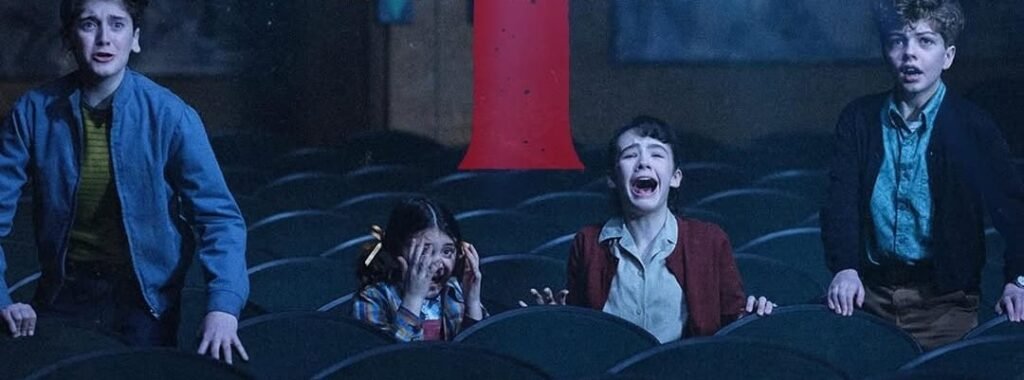
While films take place in two hours — a series can take time — time to create dread, time to allow fear to settle, and time for the characters to breathe. Here’s how Welcome to Derry uses this format to its advantage.
By spreading events over nine episodes the series can slowly peel back the layers of Derry leading to the curse.
The slow reveal creates longer-term dread because it gives you time to think of what might come next.
The series borrows from the “interlude” chapters of King’s novel — the flashbacks/side-stories that were largely eliminated from the movies.
There’s plenty of room for subplots. The military base, known as the Black Spot, the town’s history, the children’s friends, and the adults’ secrets.
With a longer run, instead of feeling like mere caricatures, the characters feel like real people, and the town of Derry becomes almost a character in its own right.
Pennywise Is Used More Effectively
One of the basic critiques of horror fare in general is when the monster gets overused, leading the audience to lose fear of it. Welcome to Derry takes the opposite tack.
According to early commentary, the show uses Pennywise sparingly, meaning that when he does appear, it’s far more impactful.
Pennywise does not simply appear as the clown. The show plays on the creature’s ability to take the form of whatever preys on kids’ fear . That adds another layer of unpredictability that contributes to the horror.
By creating suspense around Pennywise’s appearance, the series engages in what resonates with horror’s paramount fear: the fear of what is not seen. That is much more effective than just jump scares.
It’s More Brutal and Gruesome Than You Expect
Horror fans often argue: how far is too far? IT Welcome to Derry seems to careen toward that line — and may cross it altogether — for the sake of delivering a truly disturbing experience.
There are rumors that the show does not shy away from acts of violence against children and other grotesque representations. That raises the stakes.
On top of horror, you can also blend in violence that occurs in the real world along with the supernatural, and all of a sudden, it becomes rooted in something truly possible. Sometimes that is a more disturbing experience altogether.
While we recognize the show is bloody, gory and brutal, it also develops tension in having vile, snow-blanketed streets, cold 1962 lighting, or something monstrous hiding in plain sight.
Think of these as layered horrific experiences: the horror that is blatantly displayed before your eyes, and the horror that exists literally between scenes.
All the moments within that spectrum of fear that you can feel cause your barometer of fear for the characters to keep the threat level heightened. This causes one of the scariest viewing experiences
My Opinions
Currently, IT Welcome to Derry has a Tomatometer rating of ~77% on Rotten Tomatoes.
Critics have remarked on the show’s investment in atmosphere, attention to detail, and exploration of the darker parts of Derry’s history.
One note of caution is that some critics think that the show may over-explain the monster and will spoil elements of tension and mystery.
In the novel’s mythology the burning of The Black Spot nightclub is one of the primordial events in Derry’s decline. It serves as a narrative example of how human evils, in the realm of this fictional text, the supernatural, corrupt stronger than the sum of its parts — an important reason many reviewers believe this version of horror is scarier.
1962 – the Cold War, racial tensions, apprehensions about social change. Within the time frame, it is not just a setting made to instill fear and anxiety in the viewer, but also exists as a period of real lived anxiety. This provides roots in horror.
Don’t Just Watch, Participate
IT Welcome to Derry is more than a horror show, but a textured interaction of fear, from a supernatural fear, to a systematic fear, from the evil clown to the monsters next door. If you are looking for a series that will make you pause and stay with you, then this may be it.
FAQs
1: What is the release date of IT Welcome to Derry in the United States?
The show is set to debut on HBO on October 26, 2025, in the United States.
2: Is Pennywise in every episode?
Early indications appear to suggest rather not the show is using Pennywise more often than not to create horror.
3: Do I have to see the movies to appreciate the series?
While familiarity with the films is helpful, the series is designed to stand by itself — exploring the Derry of the past context for new viewers in addition to those who are already fans of the series.
4: Does the series explore social themes?
Absolutely. It is about systemic racism, Cold War paranoia, and institutional corruption — all of that is underneath the supernatural horror.
5: How many episodes are in Season 1?
Season one is expected to have nine episodes.